Contact Us
Find A Sales Rep
1.800.221.5175
Login/Register
View Quote
1.800.221.5175
School
Mathematics
Vocabulary
English Language Arts
Grammar & Writing
Reading
Professional Learning
Virtual Events
ELA Blog
Math Blog
Religion
Catechetical Programs
Sacrament Programs
Catechetical Bilingual
Sacrament Bilingual
Lifelong Learning
Professional Development
Virtual Events
Religion Blog
Blog de Sadlier Religion
About
About Sadlier
Careers
Find a School Rep
Find a Religion Rep
School Events
Religion Events
Help
Contact Us
Pricing & Ordering Information
Privacy Policy
Return Policy
Terms & Conditions
Login/Register
View Quote
Contact Us
School
Mathematics
Reading and Writing
Vocabulary
Grammar
Intervention
Professional Learning
Virtual Events
ELA Blog
Math Blog
School Online Catalogs
Religion
Catechetical Programs
Catechetical Bilingual
Sacrament Programs
Sacrament Bilingual
Lifelong Learning
Virtual Events
Religion Blog
Blog de Sadlier Religion
Religion Online Catalogs
About
About Sadlier
Careers
Find a School Rep
Find a Religion Rep
International Distributors
School Events
Religion Events
Help
Contact Us
Order Form
Sadlier’s W-9
Sadlier’s Sole Source Letter
Sadlier’s Credit Application
Pricing & Ordering Information
Privacy Policy
Return Policy
Terms & Conditions
William H. Sadlier, Inc.
K–12 educational solutions that inform and transform the hearts and minds of all learners.
Browse Our
Religion Products
View Our Products
Browse Our
School Products
View Our Products
Top-Rated Foundational Skills program
From Phonics to Reading
A Fresh Approach to Phonics Instruction
Preview
Shop
Catechesis that Catches Up with Our Lives Anytime, Anywhere
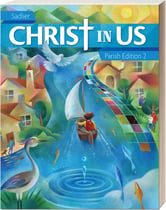
Christ In Us
Your K–8 catechetical program reimagined
Preview
Shop
About Us
Learn more about Sadlier's commitment to educational publishing.
Learn More
Careers
Discover opportunities to join the Sadlier team.
See Open Positions
Contact Us
Chat with Us
800.221.5175
Email Us